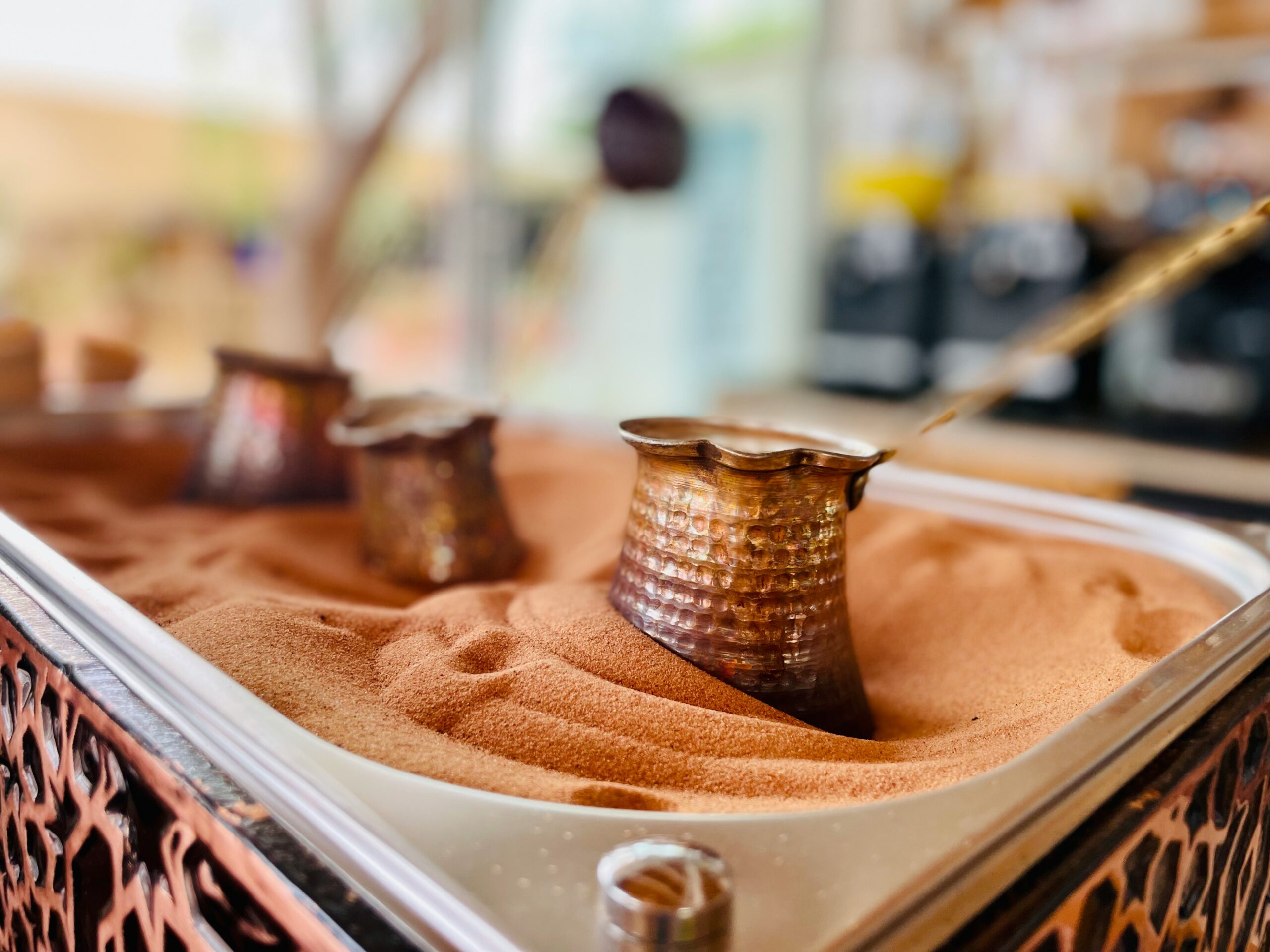
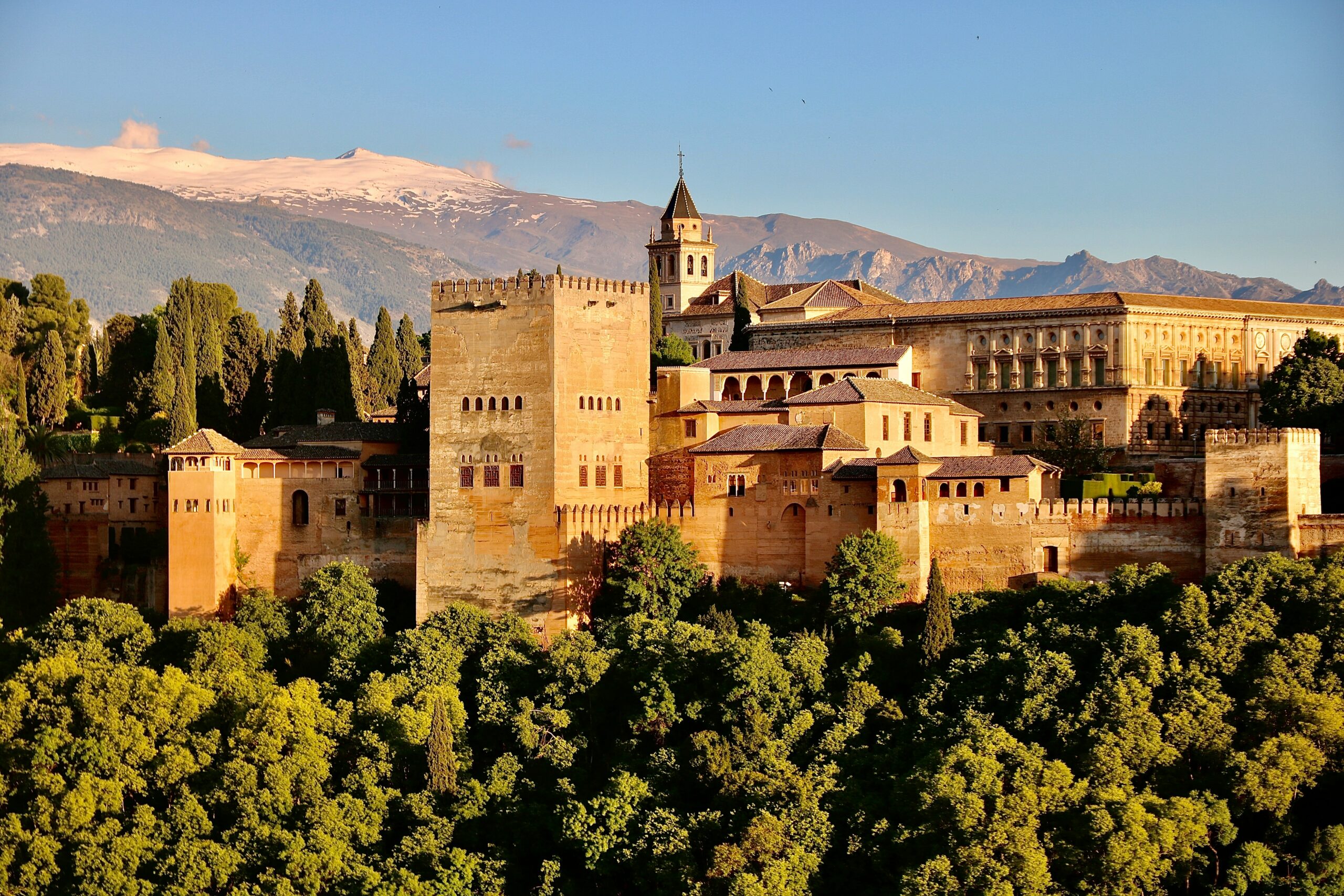

Spain is a country that knows how to live. From the rhythmic clap of flamenco in Andalusia to the late-night tapas culture in Madrid, traveling through Spain is a feast for the senses. It’s a land where history and modern life intertwine effortlessly — where medieval castles overlook bustling cities, and every meal feels like a celebration.
Whether you’re planning your first visit or returning for another adventure, here’s what makes Spain so unforgettable.
Spain is a country that knows how to live. From the rhythmic clap of flamenco in Andalusia to the late-night tapas culture in Madrid, traveling through Spain is a feast for the senses. It’s a land where history and modern life intertwine effortlessly — where medieval castles overlook bustling cities, and every meal feels like a celebration.
Whether you’re planning your first visit or returning for another adventure, here’s what makes Spain so unforgettable.
A Land of Endless Sunshine and Variety
Spain is one of Europe’s most geographically diverse countries. You can ski in the Pyrenees in the morning and sunbathe on the Costa del Sol by evening. The north offers lush green landscapes and dramatic coastlines in Galicia and Asturias, while the south is defined by whitewashed villages, Moorish palaces, and olive groves that stretch for miles.
The Mediterranean coast is famous for its golden beaches and turquoise waters — from Barcelona’s urban shoreline to the Balearic Islands of Mallorca and Ibiza. But Spain’s beauty isn’t only coastal; its heart lies in the small towns and countryside, where life moves at a slower pace.
Food: A Celebration of Life
Food in Spain isn’t just fuel — it’s a social ritual. Meals are meant to be shared, savored, and stretched out over laughter and conversation.
Start with tapas, the country’s beloved small plates that range from patatas bravas (crispy potatoes in spicy sauce) to jamón ibérico (aged Iberian ham). Every region adds its own twist — in Seville, try salmorejo, a creamy tomato soup, while in San Sebastián, you’ll find pintxos (tapas on bread) in nearly every bar.
Don’t forget paella, Valencia’s most famous dish, traditionally made with saffron rice, seafood, and chicken. Pair it with a glass of tinto de verano (Spain’s refreshing version of sangria), and you’ll understand the Spanish approach to life: relaxed, joyful, and full of flavor.
Culture and Celebration
The Spanish love to celebrate — and it shows. Every region has its festivals, from the tomato-throwing madness of La Tomatina in Buñol to the fiery Feria de Abril in Seville. There’s the haunting beauty of Semana Santa (Holy Week), with processions that fill the streets, and the exuberant energy of San Fermín in Pamplona, home to the famous running of the bulls.
Music and dance are also woven into daily life. Flamenco, born in Andalusia, expresses deep emotion through guitar, song, and movement. Even if you don’t understand the words, you’ll feel the passion — raw, soulful, and utterly captivating.
The Art of the Siesta
Spain’s relaxed rhythm is part of its charm. The siesta — that famous midday rest — may not be as universal as it once was, but the spirit of slowing down remains. Lunch is the main meal of the day and often lasts for hours, followed by a quiet period before evening life begins.
Dinner rarely starts before 9 p.m., and the night stretches long past midnight. Whether it’s sipping wine at a terrace café or strolling through a lively plaza, Spaniards know how to enjoy life’s simple moments.
Tips for Travellers
1.
Embrace the local schedule
Shops may close in the afternoon, and restaurants open later than you expect. Adapt to Spain’s rhythm — it’s part of the experience.
2.
Learn a few phrases in Spanish
A simple “gracias” (thank you) or “una cerveza, por favor” (a beer, please) goes a long way.
3.
3. Take the train.
Spain’s high-speed AVE trains connect major cities like Madrid, Seville, and Barcelona quickly and comfortably.
4.
Try regional specialties
Every area has its signature dish — pulpo a la gallega (octopus) in Galicia, gazpacho in Andalusia, churros con chocolate in Madrid.
5.
Don’t rush
Spain rewards slow travel. Wander, explore, and let each city reveal itself naturally.
Exploring the Architecture of a Nation
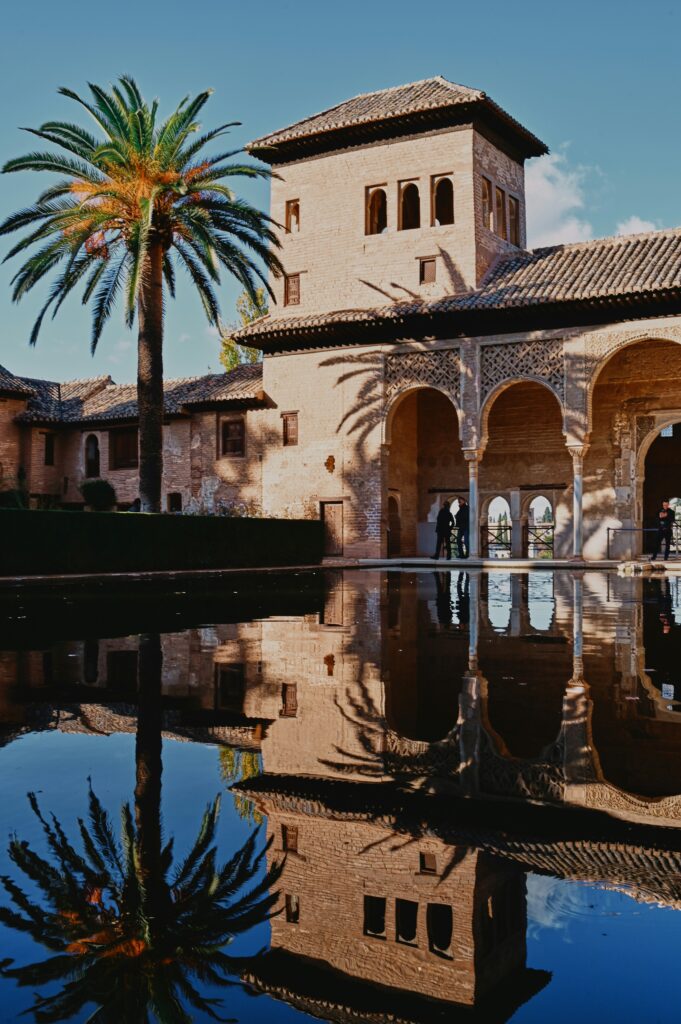
Spain isn’t just a country to see — it’s a country to look at. Every corner, plaza, and cathedral tells a story in stone, tile, and light. Its architecture is a living museum of styles and eras: from ancient Roman ruins to Moorish masterpieces, Gothic cathedrals to modernist marvels.
Why Spain Captures the Heart
There’s something magnetic about Spain. Maybe it’s the late-night laughter spilling from tapas bars, the scent of orange blossoms in Seville, or the sound of waves rolling against the Costa Brava cliffs. Maybe it’s the way time seems to stretch, urging you to stay just a little longer.
Traveling to Spain isn’t just about sightseeing — it’s about feeling. It’s about embracing warmth, color, and connection in every moment.
Whether you’re sipping coffee in a Madrid café, dancing beneath the stars in Ibiza, or getting lost in the narrow streets of Toledo, one thing is certain: Spain doesn’t just welcome you. It pulls you in, and it stays with you long after you’ve left.
A Journey Through History
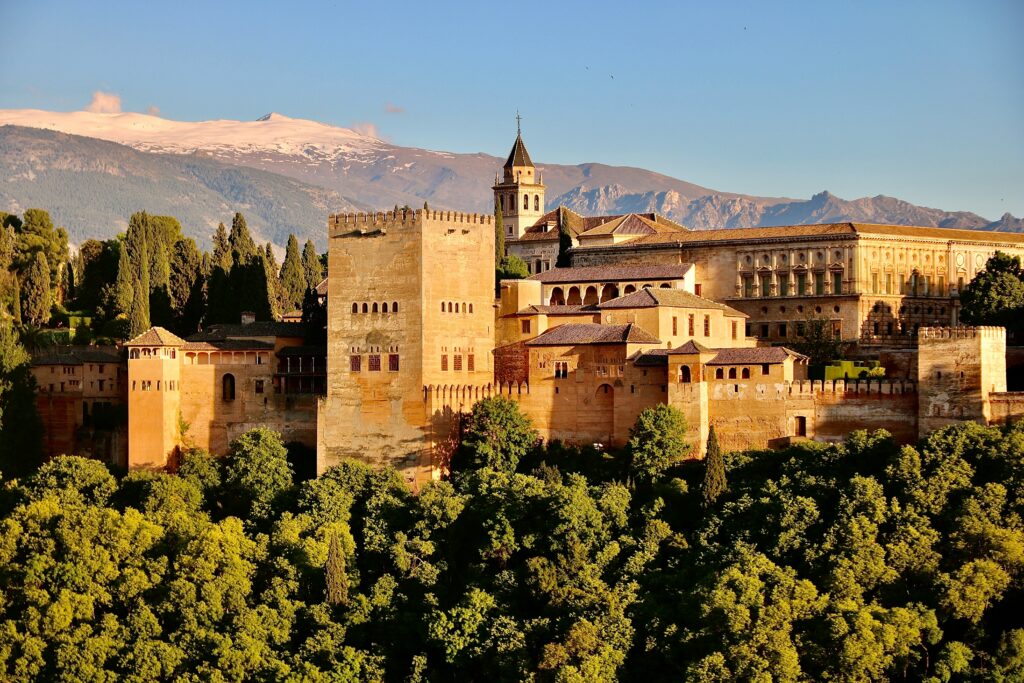
Spain’s past is written in its architecture. In Granada, the Moorish splendor of the Alhambra Palace whispers tales of a bygone empire. In Córdoba, the Mezquita — a breathtaking mosque-cathedral — showcases centuries of religious and cultural fusion.
In contrast, Barcelona is a playground of modernist creativity, shaped by the genius of Antoni Gaudí. His masterpiece, the Sagrada Família, still under construction after more than a century, is unlike any cathedral in the world — a symbol of Spain’s bold imagination.
And then there’s Madrid, where grand boulevards and royal palaces meet world-class museums like the Prado and Reina Sofía, home to Picasso’s Guernica.